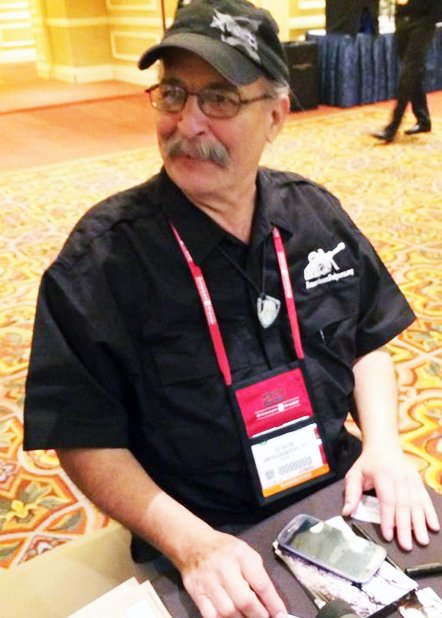
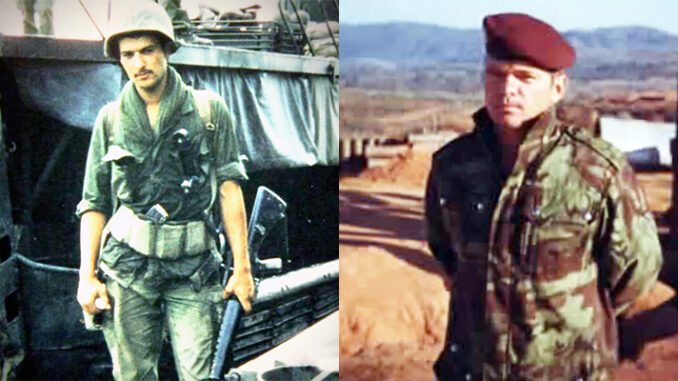
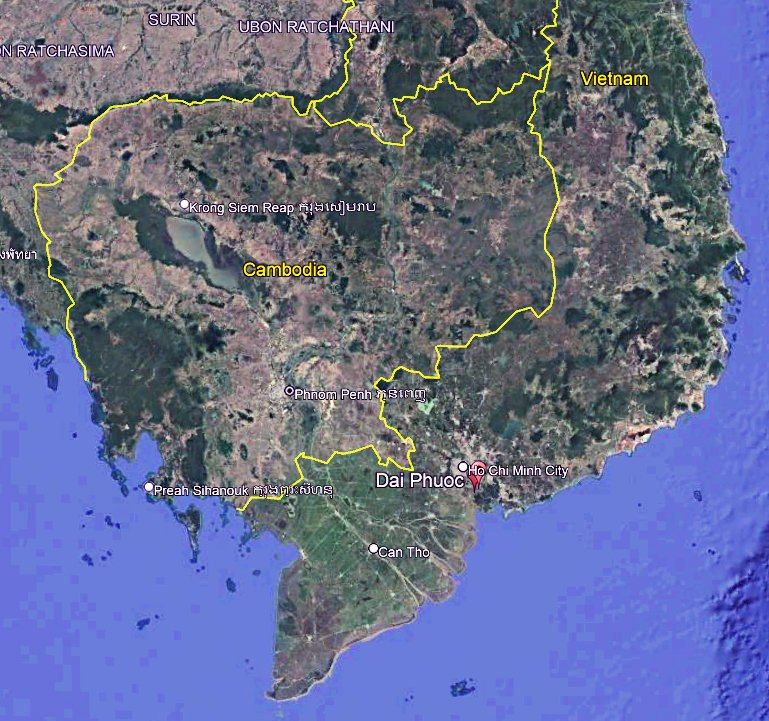
On April 3, 1969, in the rice paddies of Dai Phuoc, Vinh Binh Province, Vietnam, a small U.S. Army raiding party found itself in a nightmare scenario—isolated, outnumbered, outgunned, and ultimately fighting for survival after a catastrophic helicopter crash in the heart of enemy territory of the Mekong Delta of Vietnam.
What happened next is not in dispute.
What remains unresolved—more than half a century later—is whether justice has truly been done.
A Night That Turned the World “GREEN”
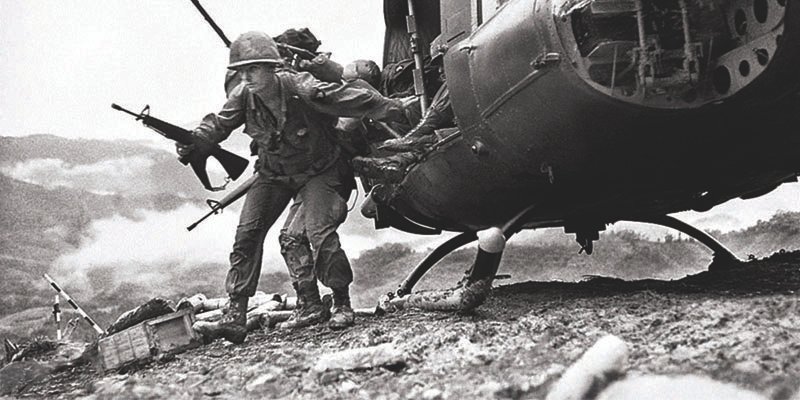
Most war-fighters from Vietnam know the enemy fired green tracers from their AK-47 rifles. There were so many rounds coming in from advancing Viet Cong guerillas, the sky lit up with green tracer rounds all around evacuating troops.
As described by multiple eyewitnesses, including then-Captain William “Mike” Perkins, the mission began as a routine night raid. Within minutes, it spiraled into chaos: the enemy arrived in force, helicopters took fire, and one pitched up then crashed on its right side—pinning men beneath it, scattering weapons into mud and water, and leaving survivors exposed to determined enemy fire.
What followed was not ordinary combat.
It was a stand.
At the center of that stand was Sergeant Edgar W. Eaton—“Sniper Ed.”
One Man Against 30-40 Viet Cong (VC)
From multiple sworn statements—officers, enlisted men, and Eaton himself—a consistent picture emerges:
- All of the rifles except for one were lost or disabled in the crash.
- Eaton’s sniper rifle was damaged with a broken stock and the scope knocked out of alignment.
- Survivors were wounded, disoriented, and exposed.
- Enemy forces maneuvered from multiple directions, closing in on the crashed helicopter shielding her crew and soldiers.
- Commanding Officer (Captain Perkins) was buried in mud up to his left nostril with his left arm securely pinned under 4.5 tons of helicopter.
- The fuel tanks from the crashed helicopter were leaking badly, coating all of the survivors with JP-4 jet fuel.
And yet:
- Eaton climbed onto the exposed skid of the downed helicopter, engaging enemy forces at distances as close as 50 meters away
- Eaton alternated between weapons, conserving ammunition and maintaining continuous, steady fire dispatching approximately half of the approaching enemy force.
- Eaton single-handedly staved off an enemy platoon closing in on the soldiers and crew of the crashed helicopter.
As one eyewitness put it plainly: “He was the only one firing back.”
Another: “By himself, he held off an enemy platoon and saved the lives of… crewmen and infantrymen.”
And Captain Perkins, one of the men Eaton saved that night, concluded: “His actions merit the highest award for gallantry that this nation can bestow.”
A Choice That Defines Valor
The most extraordinary moment came not during the firefight—but during the evacuation.
Helicopter gunships arrived. Men were being pulled out. Escape—survival—was within reach.
Eaton boarded a departing aircraft… then made a decision that defines the very essence of valor: Sergeant Ed Eaton jumped off the departing gunship helicopter and returned to the crash site.
Why?
Because he believed Captain Perkins—badly wounded and trapped—would otherwise die alone.
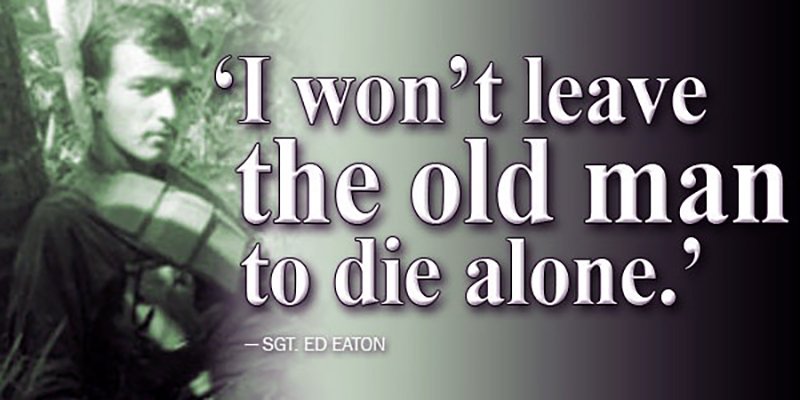
As another witness recalled hearing him yell over helicopter engine noise: “I won’t leave the old man to die alone.”
This was not a split-second reflex. It was a conscious decision—to abandon safety, to return to overwhelming danger, and to stand beside a wounded comrade with no guarantee of rescue or survival. In fact, prospects of their survival were gravely dim.
That is the standard by which the Congressional Medal of Honor (MOH) is measured.
The Outcome: Lives Saved, Recognition Deferred
Every surviving member of that raiding party lived.
Not by chance. Not by overwhelming firepower. But because one brave man—exposed, outnumbered, nearly out of ammunition—refused to yield. If Eaton could not free his commanding officer, he was not going to let “old man” Perkins die alone.
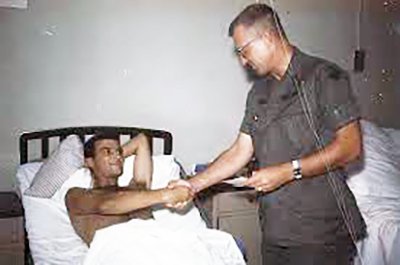
And yet, for this action, SGT Eaton received: a Purple Heart and an Army Commendation Medal which was cavalierly sent to him through the mail.
These are worthy honors, certainly. But when weighed against the eyewitness record, the scale feels terribly incomplete and so very wrong.
The Bronze Star Commendation Medal is for a soldier who risks his life by dragging his wounded buddy behind a log out of enemy fire. Conversely, what Sergeant Eaton did that fateful night in April, rose far above that and sadly, was never properly recognized for his bravery and skill.
A System That Sometimes Misses The Moment
It is important to say this clearly: The United States Army is a professional institution, with a long and proud tradition of recognizing valor.
But large organizations—especially during wartime—operate under immense pressure. Records are lost. Recommendations stall. Circumstances obscure clarity. This is especially true when units are disbanded and being pulled out of the theater of operations.
Sometimes, extraordinary acts fall through the cracks. And, it certainly did in the case of Sergeant Edgar W. Eaton.
History has shown this more than once.
A Modern Reminder: Recognition Can Arrive Late
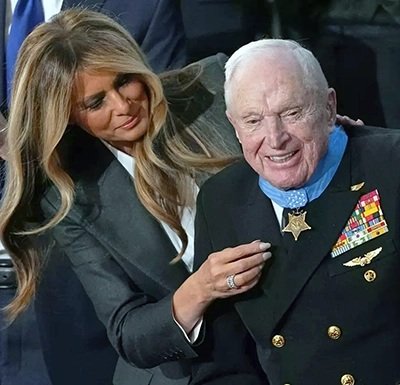
On February 24, 2026, 100-year-old Navy Captain Royce Williams—a naval aviator whose heroism dated back more than 70 years—was awarded the Congressional Medal of Honor during the State of the Union Address. His story, long overlooked, was finally brought to light.
The military corrected the record and recognized Royce Williams for his extraordinary heroism during the Korean War.
According to Assistant Archivist with the Congressional Medal of Honor Society Katie Cayer, 379 MOH medals have been presented from 1955 when our involvement in Vietnam began to present day. Sadly, Eaton’s extraordinary bravery was glossed over by the United States Army when they begrudgingly mailed a commendation medal to his home.
That moment when Captain Royce Williams finally received his Medal of Honor stands as proof of something important: Time does not erase valor. It only delays recognition.
The Clock Is Ticking
Today, both SGT Edgar Eaton and CPT Mike Perkins are advanced in years.
Their memories remain. Their testimony exists.
The corroboration is strong—remarkably so, even by modern standards.
While time is infinite, the lives of humans are not. Time is running out to properly recognize Sergeant Ed Eaton’s gallantry in combat.
A Quiet Question for Leadership
The question is not whether the Army failed. The question is whether the nation is willing—now—to take another look.
Whether the same spirit that recognized Captain Royce Williams during the State of the Union Address can be applied again.
Whether someone with the authority to act might consider reviewing the record and that incredible night of April 3, 1969.
Not as an accusation, but as an opportunity.
Because Some Stories Demand Closure
Sergeant “Sniper Ed” Eaton did more than fight bravely.
He:
- Single-handedly held off a superior enemy force that multiplied in number with each passing minute
- Was forced to use his severely damaged sniper rifle. When he noticed his rounds were not hitting the target but splashing in the rice paddy, he skillfully used “Kentucky Windage” to adjust his aim to dispatch approximately half of the enemy platoon.
- Saved multiple wounded American soldiers and aircrew
- Voluntarily returned to near-certain death situation to protect his commanding officer pinned below the aircraft in the rice paddy.
- Maintained extraordinary discipline to calmly returning lethal fire under impossible conditions.
- Fought until nearly out of ammunition, evacuated with only five rounds left in his weapon.
- When the rescue helicopter returned to pick up all the survivors from the crashed helicopter, there wasn’t room for everyone. The last time, Ed Eaton jumped off the helicopter because he didn’t want Captain Perkins to die alone. Eaton hopped off the rescue aircraft again, this time giving up his seat for a wounded man. Fortunately, another helicopter came finally came back to rescue Sniper Ed Eaton.
And in the end—against all odds—everyone lived. Many were banged-up pretty badly. Sergeant Eaton suffered a fractured spine and took a bullet to his chin. In a desperate move to save his life, Captain Perkins took out his knife and attempted to self-amputate his own arm to free himself from the wreckage of the downed aircraft.
Sergeant Eaton’s incredible acts of bravery were not just heroism, they were the definition of gallantry, which was most certainly “above and beyond the call of duty.”
It Is Not Too Late
When people are willing to look closely enough, history has a way of correcting itself. Sergeant Eaton did all those things that other recipients of the MOH have done…
- He demonstrated exceptional valor and intrepidity at the risk of his own life.
- He demonstrated selfless sacrifice to save the lives of fellow soldiers.
- He demonstrated outstanding leadership in a critical, life-threatening situations.
- He repeatedly defied the blasting fury of the enemy onslaught to organize and lead his beleaguered comrades.
- He demonstrated conspicuous acts of bravery in the face of overwhelming enemy forces.
- He demonstrated dauntless fighting spirit, unrelenting aggressiveness and forceful leadership throughout the unremitting violent battle.
- He inspired his fellow soldiers to heroic effort, enabling them to rock the crashed aircraft until Captain Perkins could free his arm, all while under heavy enemy fire.
- He stymied the attack, breaking the back of assaulting enemy guerilla fighters so every American soldier could safely escape on rescue helicopters.
The record exists.
The eyewitnesses spoke.
The lives saved are undeniable.
All that remains is the decision to act.
For SGT Edgar W. Eaton, the story is already written. The question is whether it will finally be recognized the way it deserves.
Eyewitness accounts from the following people who lived to see another day:
- Colonel Pete Peterson, Battalion Commander
- Captain William “Mike” Perkins, Company Commander
- Sergeant Ed Eaton
- Warren Stamereilers
- Bernie Bienwald
- Duane Swanson
Videos Below are as follows;
- Sniper Ed Eaton – Choosing Honor
- Ed Eaton – Army of One – Sniper Deadliest Missions
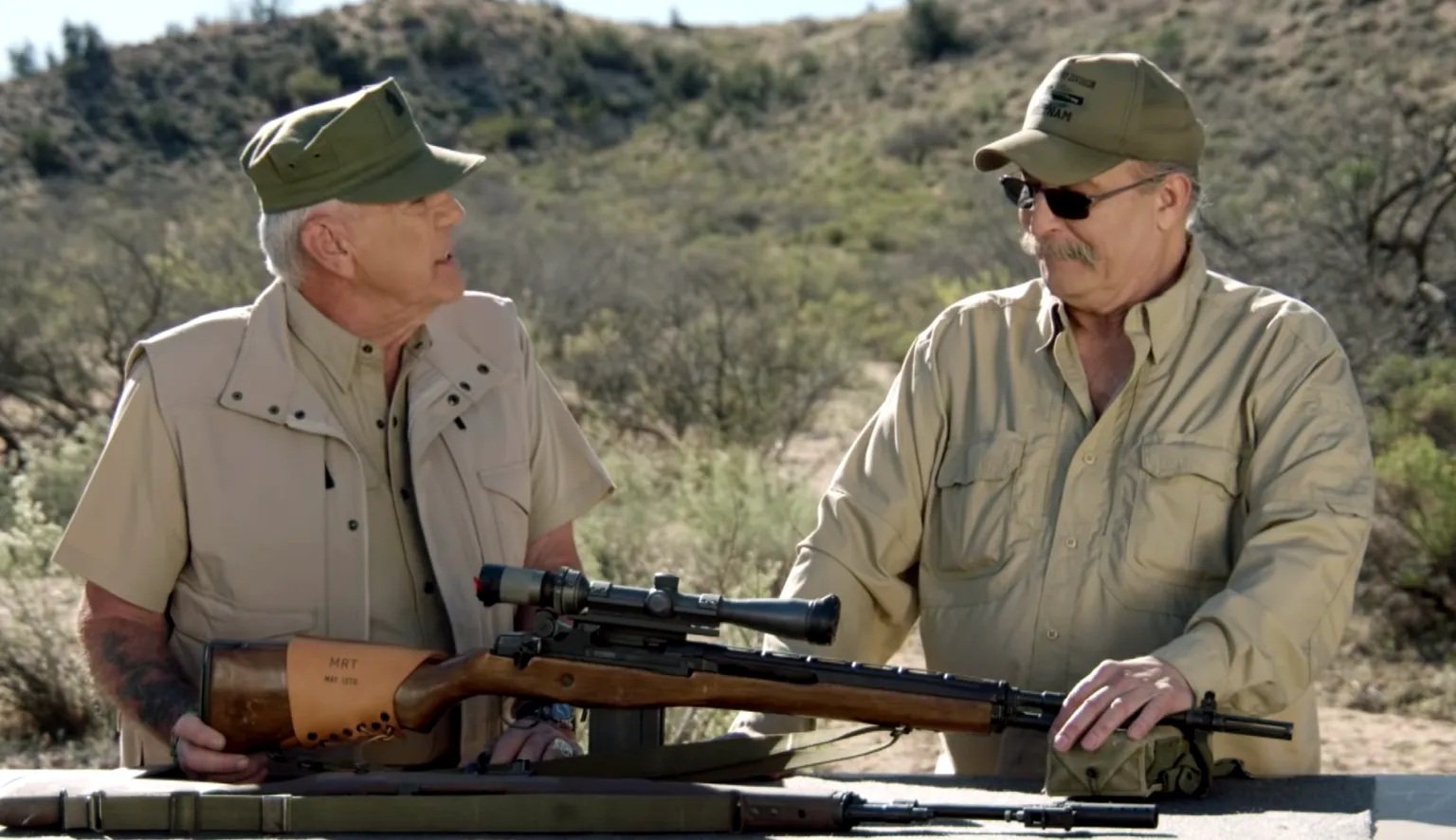
- Mail Call with R. Lee Ermey
- Honor Returned – Ed Eaton